


 EN
EN  PL
PL  UK
UK 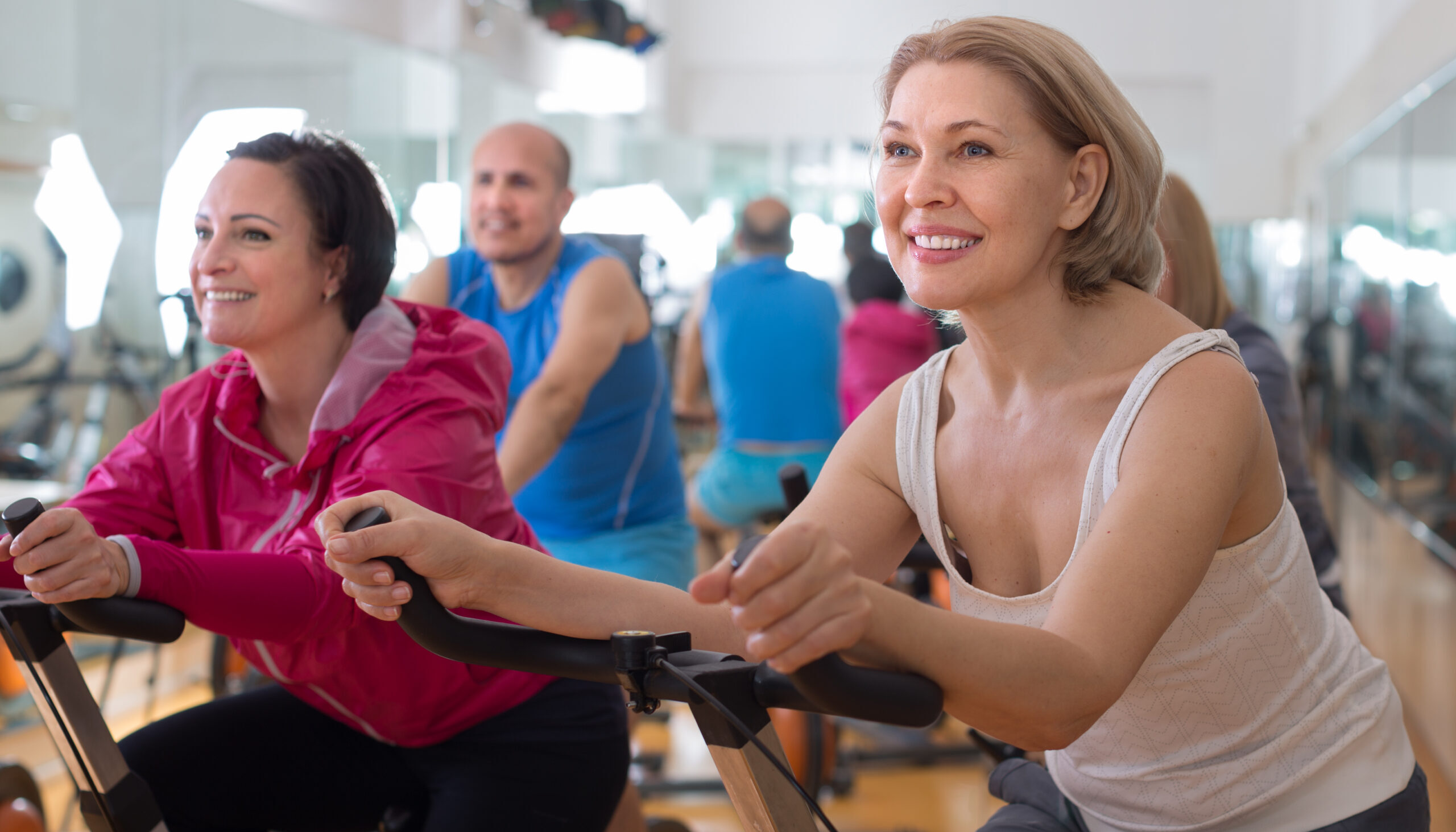
Co znajdziesz w tym artykule:
HOW TO START TRAINING WITH HYPERTENSION?
Hypertension is one of the most common conditions of modern times - affecting as many as 30% adult Poles. The good news is that physical activity can effectively help lower blood pressure and, in some cases, even reduce the need to take medication. The key, however, is to approach workouts sensibly and start them in a controlled manner.
Before you sign up for a gym, consult your doctor. If your blood pressure does not exceed 160/100 mm Hg, you can start exercising. If this is not the case, prior pharmacological therapy will be necessary. Once you have your doctor's approval, start with light activity - e.g. 15-20 minutes walking on a treadmill or riding a stationary bike. Over time, gradually increase the intensity and length of your training.
HOW TO TRAIN SAFELY WITH HYPERTENSION?
For people with hypertension, the principle of small steps works. Regularity is the key here - after just one training session, blood pressure can be lowered and remain lower for up to 24 hours. Therefore, it is best to exercise 4-6 times a week, with workouts lasting about 45-60 minutes.
Low- to moderate-intensity aerobic exercise such as walking, swimming, Nordic walking, cycling or the orbiter is most recommended. You can also do light resistance training with a light load, which improves your overall fitness and strengthens your muscles without putting too much strain on your cardiovascular system.
WHAT TO AVOID DURING TRAINING?
If you have high blood pressure, you should avoid high-intensity workouts, especially those that cause breathlessness or require sudden changes of pace - such as lifting heavy weights, crossfit or tennis. Exercising in hot weather or in full sunlight is also not recommended.
Every workout should start with a warm-up and end with a calm calming of the body. This avoids sudden spikes in blood pressure and heart rate. Also ensure that you hydrate and recover adequately - they are just as important as the workout itself.
BENEFITS OF REGULAR EXERCISE
Regular exercise lowers blood pressure, improves fitness and speeds up metabolism. In addition, they help to reduce body weight, increase exercise tolerance and promote heart health. In some people, physical activity can even reduce the dosage of hypertension medication.
Working out is also a great way to improve your mood and reduce the stress that often accompanies people with high blood pressure. Ensure regularity, consult your doctor and exercise in a safe, comfortable place - such as Just GYM, where you can train in air-conditioned, spacious cardio areas.
Frequently Asked Questions (FAQ)
Frequently Asked Questions (FAQ)
You can start exercising if your blood pressure does not exceed 160/100 mm Hg. In the case of higher parameters, prior medical consultation and the implementation of appropriate pharmacological therapy prior to exercise is essential.
Regular aerobic exercise of low to moderate intensity produces the best results. Walking, swimming, cycling, Nordic walking and orbiter exercises are recommended. These can be supplemented with light resistance training with light weights.
Regularity is key - optimally you should train 4 to 6 times a week. A single session should last around 45-60 minutes. It is worth remembering that the blood pressure lowering effect after training can last for up to 24 hours.
Very intense efforts that cause apnoea or require sudden changes of pace, such as lifting heavy weights, crossfit or tennis, should be avoided. It is also inadvisable to train in direct sunlight or on very hot days.
The warm-up prepares the cardiovascular system for the activity, while the calm down (cool-down) allows the body to gently return to a resting state. This avoids sudden spikes and sudden drops in blood pressure and heart rate immediately after the activity.
Summary - key findings
- The article explains that people with high blood pressure can safely train, as long as they approach activity sensibly and after consulting their doctor. If the blood pressure does not exceed 160/100 mm Hg, moderate exercise can be started, starting with short and light workouts and gradually increasing in intensity.
- Regular low to moderate intensity aerobic exercise is most recommended (e.g. walking, cycling, swimming), performed 4-6 times a week for about 45-60 minutes. Light resistance training with a small load is also possible.
- Very intensive efforts should be avoided, The following is a good example of this: lifting heavy weights, sudden changes of pace and exercise in the heat. Every workout should include a warm-up and calming the body.
- Regular physical activity helps lower blood pressure, improves fitness, promotes weight loss and heart health, and reduces stress. However, the article stresses that people with health problems should consult their doctor before starting exercise.
Bibliography
-
World Health Organization - materials on hypertension, its causes and the role of physical activity in prevention and treatment.
-
American Heart Association physical activity and lifestyle recommendations for people with hypertension.
-
Polish Hypertension Society - guidelines and publications on the diagnosis and treatment of hypertension in Poland.
Important: The contents of this article are solely informational and educational and do not constitute professional medical advice. If you have a serious medical condition or health problem, consult your doctor before you start exercising. The use of the information contained in the article is at the user's own risk.
Publication: Just GYM | Update: 9.03.2026 r.