


 EN
EN  PL
PL  UK
UK 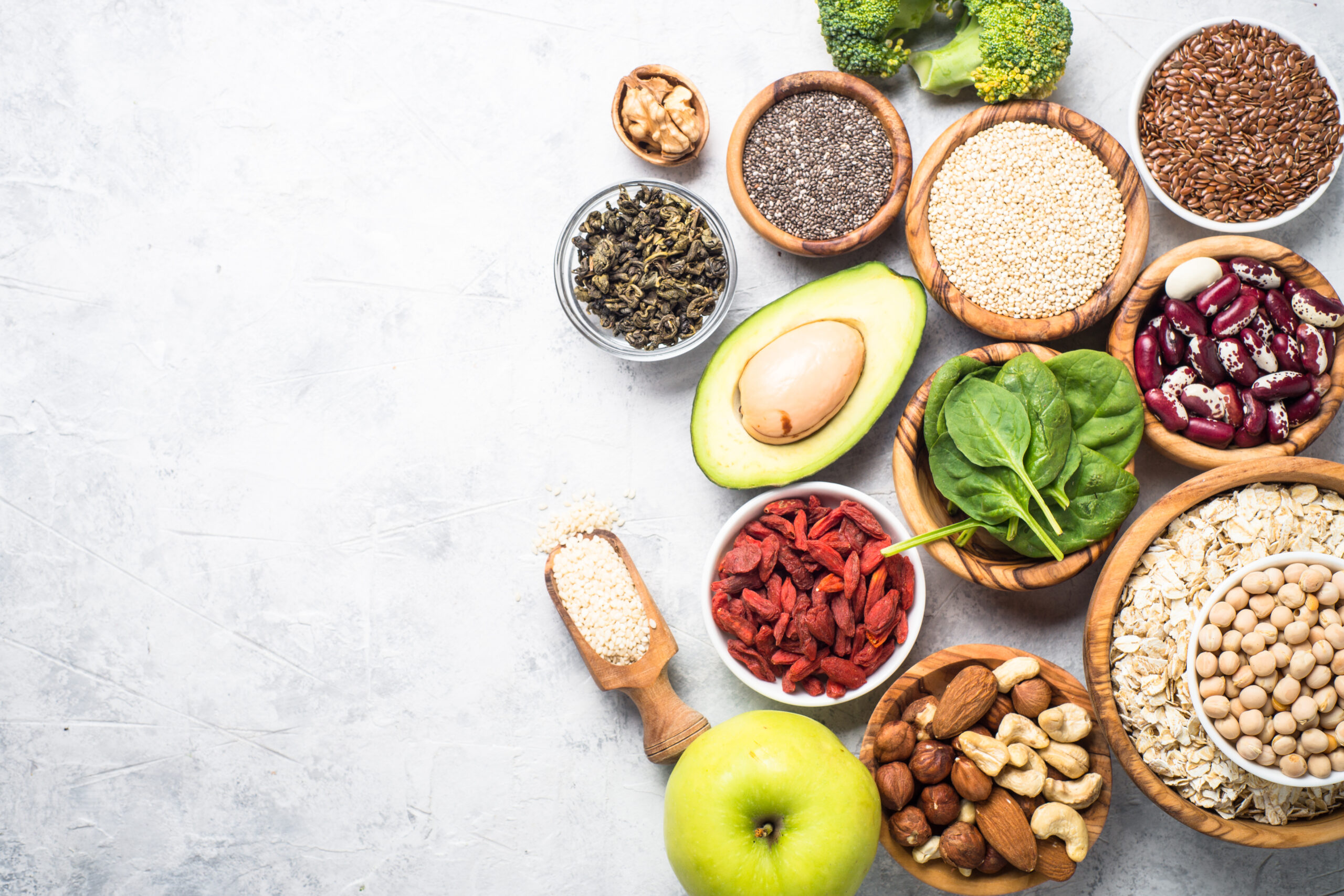
Co znajdziesz w tym artykule:
HOW DO YOU EVEN START TO EAT HEALTHILY?
Healthy eating is often associated with giving up favourite foods and making numerous sacrifices. In reality, however, it doesn't have to be this way. The key is to change your attitude - don't see a healthy diet as a punishment, but as a way of looking after yourself.
Don't make drastic changes overnight. Instead, start with small steps. Gradually introducing healthy habits will allow you to get used to your body and make the changes permanent.
START WITH SMALL STEPS
The process of building healthy eating habits takes time. Sudden restrictions can lead to frustration and a quick return to old habits. Instead, focus on making small, daily changes to your menu - it's a way to make healthy choices a natural part of your life.
7 WAYS TO DEVELOP HEALTHY EATING HABITS
- Start your day with a glass of water. An adult c1TP1A person should drink about 2.5 litres of fluids a day. A glass of water immediately after waking up stimulates the body and supports the metabolism.
- Eat regularly. Don't skip breakfast! Set fixed meal times to keep your energy levels stable and avoid hunger attacks.
- Portion your meals. Eat every 3-4 hours. A regular supply of energy helps maintain blood sugar balance and prevents snacking.
- Read the labels. The shorter the composition of the product, the better. Avoid artificial additives and preservatives - choose natural products.
- Replace snacks with healthy products. Vegetables, fruit and nuts are a great alternative to crisps and chocolate bars. They help to satisfy hunger and provide vitamins.
- Eat colourfully. The more colours on the plate, the more varied and valuable the meal. Remember that half the plate should be filled with vegetables.
- Don't eat before bedtime. Eat your last meal at least 2 hours before bedtime. Choose easily digestible dinners that do not strain the digestive system.
These seven simple steps are a great start towards a healthier lifestyle. Seemingly small changes over time yield huge results - more energy, improved wellbeing and greater self-satisfaction.
Frequently Asked Questions (FAQ)
Frequently Asked Questions (FAQ)
Drinking a glass of water as soon as you get out of bed is one of the simplest habits to effectively stimulate the body after a night's sleep. This supports metabolic processes and helps with hydration, which is crucial, given that an adult czł person should provide around 2.5 litres of fluids per day.
It is recommended to eat regular meals every 3-4 hours. This frequency keeps blood sugar levels stable, provides a constant supply of energy and effectively prevents sudden bouts of hunger, which often lead to reaching for unhealthy snacks.
The basic principle is to choose products with as few ingredients as possible. Artificial additives, preservatives and unnecessary fillers should be avoided. Choosing natural, minimally processed products is the foundation for building a healthy menu.
The last meal should be eaten at least 2 hours before going to bed. It is important that the dinner is easily digestible so that the digestive system is not overtaxed during the night, which will translate into a better quality of sleep and recovery.
Absolutely not. The key to success is the method of small steps and gradual changes rather than strict diets. This approach avoids frustration and makes healthy habits, such as filling half your plate with vegetables, a natural part of your lifestyle.
Summary - key findings
-
It is very important to start eating healthily without radical sacrifices and restrictive diets. The key to success is to gradually make small changes instead of drastic restrictions, which often lead to quick abandonment.
-
It is worth starting by building healthy habits, such as drinking enough water, eating regular meals and increasing the amount of vegetables in the diet.
-
Consistent and small changes lead to lasting effects in terms of improved wellbeing and energy.
Bibliography
Important: The contents of this article are solely informational and educational and do not constitute professional medical advice. If you have a serious medical condition or health problem, consult your doctor before you start exercising. The use of the information contained in the article is at the user's own risk.
Publication: Just GYM | Update: 24.02.2026 r.